

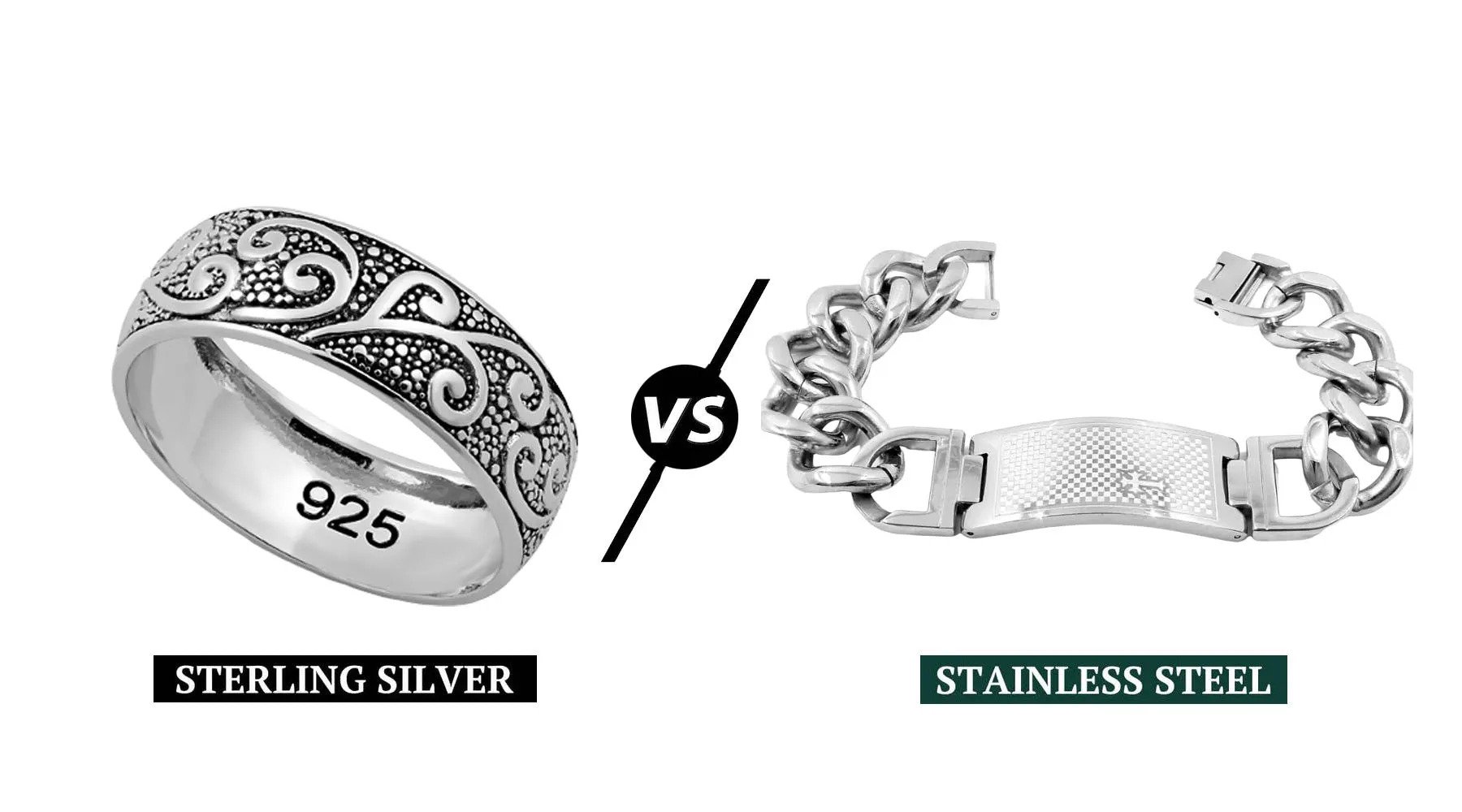
Sterling Silver vs. Stainless Steel : Which is Best for Your Jewelry Business?
When it comes to sourcing materials for fashion jewelry, understanding the differences between sterling silver and stainless steel is crucial. This guide will help you navigate the pros and cons of each material, ensuring you make informed decisions for your business. We’ll cover everything from durability and aesthetics to cost and customer preferences.
Understanding Sterling Silver
What is Sterling Silver?
Sterling silver, often marked as 925 sterling silver, is an alloy containing 92.5% pure silver and 7.5% other metals, usually copper. This combination enhances its strength without compromising the lustrous appearance of pure silver.
Benefits of Sterling Silver
- Aesthetic Appeal: Sterling silver offers a classic, timeless look that appeals to a wide audience. Its bright, reflective surface exudes elegance and sophistication.
- Perceived Value: Jewelry made from sterling silver often carries a higher perceived value, allowing for potentially higher price points.
- Customization: Highly malleable, sterling silver is perfect for intricate designs and custom pieces, catering to niche markets and bespoke requests.
Considerations for Sterling Silver
- Maintenance: Sterling silver can tarnish over time, requiring regular cleaning and care.
- Cost: As a precious metal, sterling silver is more expensive than stainless steel, affecting your pricing strategy and inventory costs.
Considerations for Sterling Silver
- Maintenance: Sterling silver can tarnish over time, requiring regular cleaning and care.
- Cost: As a precious metal, sterling silver is more expensive than stainless steel, affecting your pricing strategy and inventory costs.
Understanding Stainless Steel
What is Stainless Steel?
Stainless steel, especially the 316L grade used in jewelry, is an alloy composed mainly of iron, carbon, and chromium. The chromium content gives it excellent resistance to rust and corrosion.
Benefits of Stainless Steel
- Durability: Stainless steel is incredibly durable and resistant to scratches, tarnish, and corrosion, making it ideal for everyday wear.
- Affordability: Compared to sterling silver, stainless steel is more cost-effective, lowering your inventory costs and allowing for competitive pricing.
- Versatility: Stainless steel can be finished in various ways, including polished, brushed, and matte finishes, catering to diverse customer preferences.
Considerations for Stainless Steel
- Weight: Stainless steel is heavier than sterling silver, which might affect customer comfort, especially for larger pieces.
- Perceived Value: While durable, stainless steel does not carry the same luxury connotation as sterling silver.
Comparing Sterling Silver and Stainless Steel
Durability and Maintenance
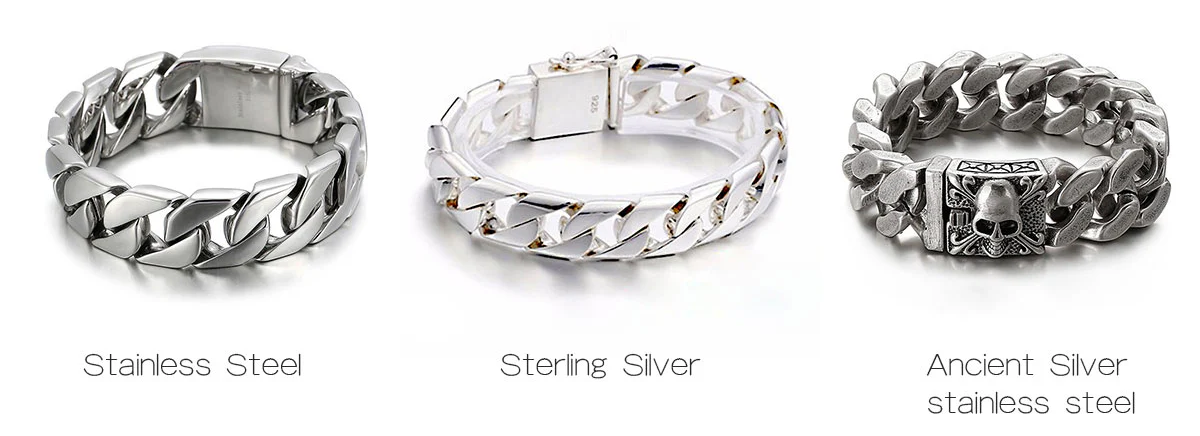
- Stainless Steel: Known for its durability, stainless Steel jewelry is resistant to scratches, tarnish, and corrosion. It’s
ideal for customers seeking low-maintenance, long-lasting pieces. - Sterling Silver: Although beautiful, sterling silver requires regular maintenance to prevent tarnishing. This might be a consideration for customers who prefer low-maintenance jewelry.
Cost and Value
- Stainless Steel: More affordable than sterling silver, stainless steel allows for lower inventory costs and competitive pricing.
- Sterling Silver: Higher in cost but also in perceived value, sterling silver can enhance the luxury appeal of your product range.
Aesthetic and Design
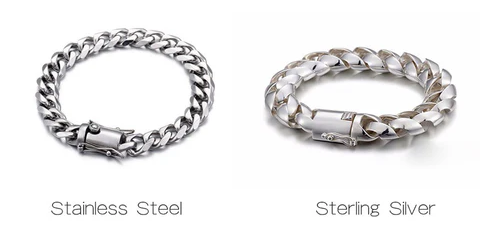
- Stainless Steel: Offers a modern, sleek look that can be versatile in design. It’s available in various finishes, making it
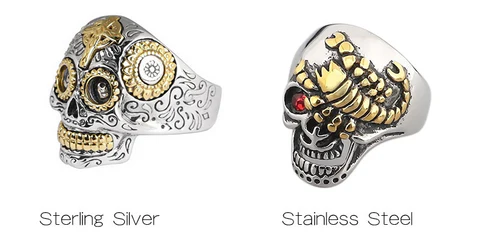
adaptable to different fashion trends. - Sterling Silver: Provides a classic, timeless aesthetic that appeals to a wide range of customers. Its malleability allows for intricate and customized designs.






Add comment